.png)
Fruitful Introduction
Age: 2 years old
Class Size: 15 children
No. of Lesson: 4 classes in the whole course
Lesson Duration: 1 hour
Preparation
1. Gather flashcards with images of an apple, orange, banana, and grapes.
2. Prepare a real or artificial fruit bowl for demonstration.
3. Arrange seating for story time and a discussion circle.
Part 1: Story Introduction and Vocabulary
Target Vocabulary:
- fruit
- apple
- orange
- banana
- grapes
Target Instruction:
- "This is a/an [fruit]."
- "I can see a/an [fruit]."
Learning Objectives:
By the end of the lesson, students should be able to:
1. Identify and name different fruits: apple, orange, banana, and grapes.
2. Use the sentences “This is a/an [fruit].” and "I can see a/an [fruit]."
3. Engage in simple observational activities using the target vocabulary.
Materials List:
- Flashcards of fruits (apple, orange, banana, grapes)
- Real or artificial fruit bowl
- Storybook or images depicting a fruit bowl
### Class Details:
1. Warm-Up (5 mins): Begin with a playful song about fruits that mentions apples, oranges, bananas, and grapes to introduce the theme and engage the toddlers.
2. Story Introduction (5 mins): Introduce the story or images of the "Fruit Bowl". Show the actual fruit bowl and discuss the fruits using the flashcards. For each fruit, use the sentence structure, e.g., “This is an apple.” Encourage children to repeat after you.
3. Vocabulary Identification Activity Storytelling (10 mins):
- Option 1: with real fruit
Enhance this activity by using real fruits alongside the flashcards. Hold up a fruit or a flashcard and describe features ("I can see a fruit that is yellow and soft."). Let the children guess which fruit it is. Encourage them to physically handle the fruit (if appropriate), which helps in identifying and remembering the fruit names through sensory experience. Utilize the sentences, “This is a/an [fruit].”, and "I can see a/an [fruit]." in this interactive session.
- Option 2: with flashcards
Use the flashcards to play a guessing game. Hold up a flashcard without showing the children and describe the fruit ("I can see a fruit that is red and crunchy."). Let the children guess which fruit it is and use the target sentences, “This is a/an [fruit].”, and "I can see a/an [fruit]."
4. Interactive Storytelling (15 mins): Read a simple story from a book that features the fruits discussed or create a narrative around the fruit bowl. Pause after mentioning each fruit to ask the children, "What is this?" and help them answer "This is a/an [fruit]." and "I can see a/an [fruit].", reinforcing the vocabulary and sentence structure.
Assessment:
Remarks:
Part 2: Art and Craft Activity
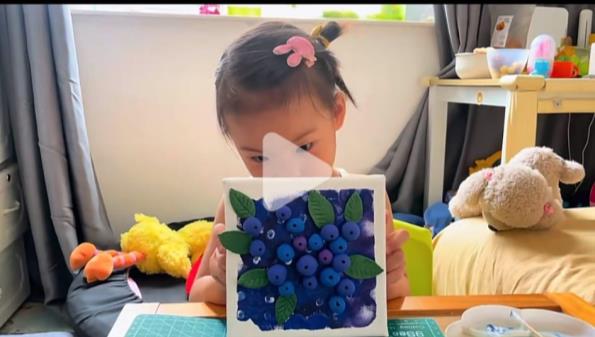
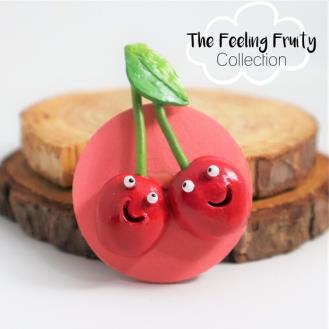
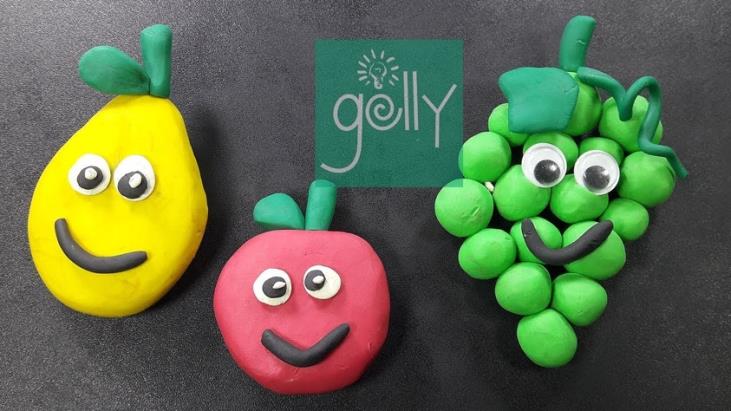
Making 3D Fruit Painting
Learning Objectives:
By the end of this activity, students should be able to:
1. Use art materials to create a three-dimensional representation of fruits.
2. Continue developing fine motor skills through handling different art tools and materials.
3. Reinforce the target vocabulary and sentences by associating them with their artistic creations.
Materials List:
- Canvas or thick paper
- Paints and brushes
- Modeling clay in various colors (red, orange, yellow, green, etc.)
- Small tools for shaping clay (can be simple items like popsicle sticks)
- Glue for attaching clay to the canvas
- Plates for mixing paints
Class Details:
1. Introduction (5 mins):
Introduce the art and craft activity by showing a sample of a completed 3D fruit painting.
Explain the materials they will use and demonstrate how to handle the clay and the paint.
2. Creating 3D Fruit Paintings (25 mins):
- **Painting the Background**: Start by guiding the children in painting their canvas with colors that resemble a natural background, like sky blue or grass green.
- **Modeling Fruits**: While the paint dries, help the children use modeling clay to make small fruits such as apples, oranges, bananas, and grapes. Show them how to roll, pinch, and press the clay to form different shapes.
- **Attaching Fruits**: Once the clay fruits are ready and the paint has dried, assist the children in gluing the clay fruits onto the canvas. During this process, reinforce the vocabulary by repeatedly mentioning the fruit names and using the target sentences like "This is an apple" or "I can see grapes."
3. Interactive Learning (5 mins):
Engage the children in a discussion about the fruits they created. Ask them to identify each other’s fruits using the target sentences. For example, a child might say, "This is a banana," and the class can respond, "I can see a banana."
4. Clean-Up (5 mins): Help the children clean up their spaces, put away materials, and wash their hands.
Assessment:
- Observe if the children are able to identify and name the fruits they created.
- Assess their ability to use the target vocabulary and sentences during the activity.
- Evaluate their fine motor skills and ability to follow instructions in creating the artwork.
- Gauge their engagement and participation during the art-making process.
Notes for Teachers:
- Ensure the use of non-toxic, child-safe materials.
- Provide close supervision during the use of small tools and while handling glue.
- Encourage the children to express their creativity, there is no right or wrong in art.
- Praise their efforts and provide positive feedback to boost their confidence.
Follow-Up:
- Display the children's 3D fruit paintings in the classroom to create a fruit-themed art gallery.
- Encourage parents to discuss the fruits and the art activity with their children at home to
reinforce learning.
Image References for Art and Craft product:
https://www.pinterest.com/pin/377317275040912778/