.png)
Vegetable Farm
Age: 2 years old
Class Size: 15 children
No. of Lesson: 4 classes in the whole course
Lesson Duration: 1 hour
Preparation
1. Secure a copy of the traditional tale "The Enormous Turnip" for storytelling.
2. Arrange a defined play area to simulate a vegetable patch with toy vegetables.
3. Create character puppets that represent the characters from "The Enormous Turnip" to use during the story reading.
4. Designate a ‘garden’ area in the classroom where the story will take place, using the toy vegetables as props.
Part 1: Story Introduction and Vocabulary
**Target Vocabulary:**
- farm
- turnip
- pull
- vegetable
**Target InstrucHons:**
- "Let’s pull together..."
- "Line up"
**Learning Objectives:**
By the end of the lesson, students should be able to:
1. Identify and name different vegetables, focusing on the turnip.
2. Follow and act out the instructions "Let’s pull together.." and "Line up".
3. Recall and participate in the story "The Enormous Turnip" using character puppets.
**Materials List:**
- "The Enormous Turnip" storybook or a printed version of the tale
- Character puppets from the story
- Toy vegetables
### Class Details:
1. **Warm-Up (5 mins)**: Sing a fun vegetable-themed song, using hand movements to represent different vegetables growing and being harvested.
2. **Story Introduction (10 mins)**: Introduce the story of "The Enormous Turnip". Show the children the character puppets and the toy vegetables, explaining that they will be used to tell the story.
3. **Physical Activity (10 mins)**: In the 'garden' area, simulate planting and pulling vegetables. Instruct the children to "Line up" and use the character puppets to demonstrate how to "pull" on a toy turnip while saying "Let’s pull together..". Invite the children to practice this action with the puppets and toy vegetables.
4. **Interactive Storytelling (10 mins)**: Read "The Enormous Turnip" aloud, using the character puppets to engage the children. Pause at key moments to allow the children to act out scenes with the puppets, especially the "pulling" scenes, by repeating "Let’s pull together.." and pulling on the toy turnip.
**Assessment:**
- Check for the children's ability to identify and name the vegetables.
- Observe their participation in following the target instructions during the physical activity and storytelling.
- Assess their engagement with the story and use of the character puppets.
**Remarks:**
- Keep the storytelling lively and interacHve to hold the children’s adenHon.
- Encourage children to be expressive with the character puppets.
- Celebrate every adempt the children make to parHcipate, regardless of accuracy.
Part 2: Art and Craft Activity
Making a Paper Bag Scarecrow
**Learning Objectives:**
By the end of this activity, students should be able to:
1. Recognize and sort different colors associated with vegetables.
2. Develop fine motor skills through cuting, gluing, and arranging collage materials.
3. Understand the concept of a collage and create a mixed media artwork.
**Materials List:**- Cardstock or heavy paper for the base of the collage
- Pictures of vegetables from magazines or printed sheets
- Textured papers or fabrics in colours that match the vegetables (greens, oranges, purples, etc.)
- Glue sticks or white glue
- Safety scissors (for teacher use or with close supervision)
- Other collage materials in vegetable colours (buttons, beads, yarn, etc.)
Class Details:
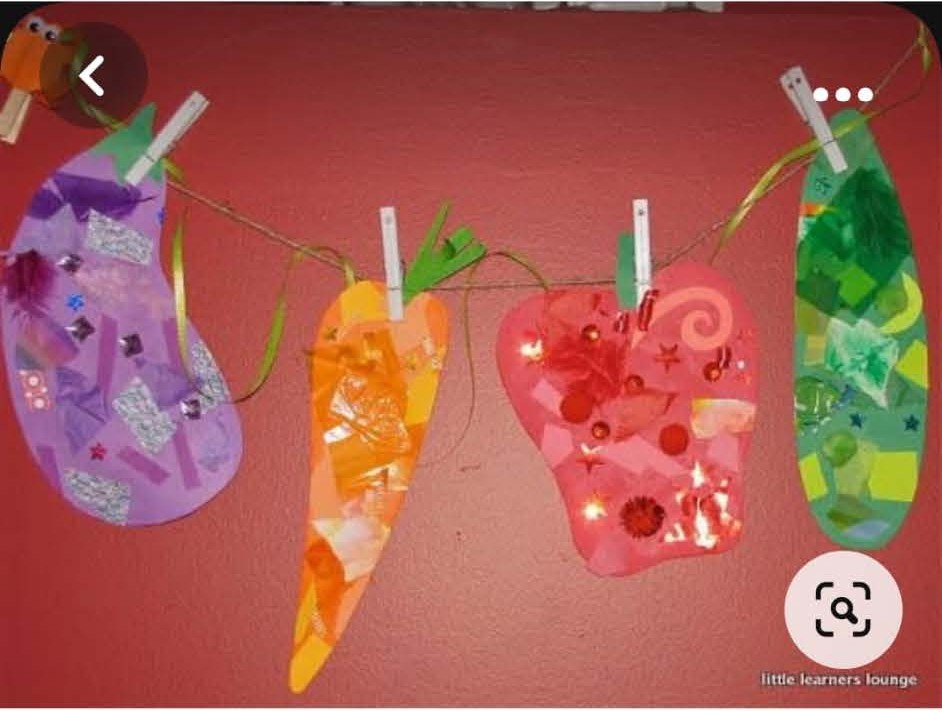
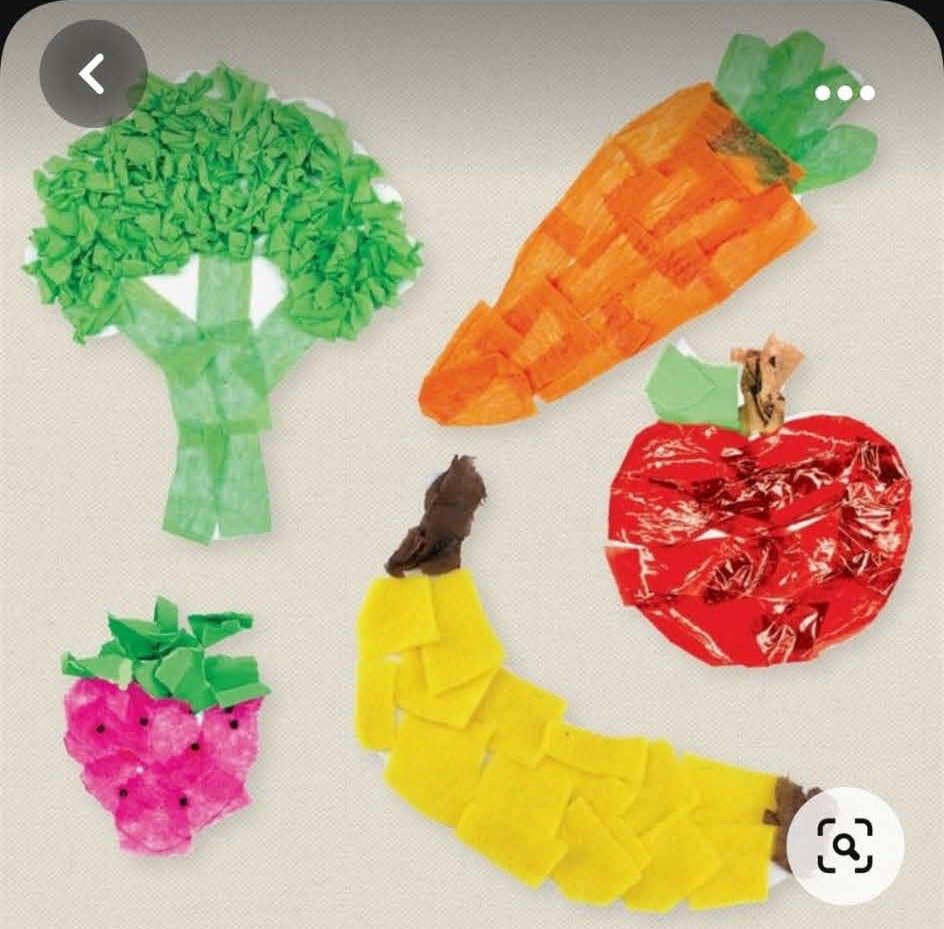
1. **Introduction (5 mins)**: Explain to the students that they will be creating their own vegetable collage. Show them a finished example and discuss the various colours and textures
they see.
2. **Colour Sorting and Selection (10 mins)**: Begin by sorting collage materials by colour. Encourage the children to choose the materials that match the colours of the vegetables they learned about in the story "The Enormous Turnip"
.
3. **Collage Creation (20 mins)**: Guide the students through the process of creating their collage. Have them cut out (or help them cut out) vegetable shapes from the materials and arrange them on their cardstock base. Assist them with gluing and layering the materials to create a farm scene or a vegetable pattern.
4. **Discussion and Vocabulary Reinforcement (10 mins)**: As they work on their collages, engage the children in conversation about the vegetables. Use vocabulary from the story and the theme of the farm to reinforce their learning.
5. **Clean-Up (5 mins)**: Help the children clean up the materials, store their artwork properly, and tidy up their work area.
6. **Show and Tell (5 mins)**: If time allows, let each child show their collage and talk about it. Encourage them to describe the colours and the vegetables they included in their artwork.
## Assessment:
- Check if the children can identify and sort the colours accurately.
- Observe their ability to use scissors with assistance and to glue objects on the paper.
- Assess their engagement in the activity and their ability to follow the steps to create the
collage.
## Notes for Teachers:
- Check if the children can identify and sort the colours accurately.
- Observe their ability to use scissors with assistance and to glue objects on the paper.
- Assess their engagement in the activity and their ability to follow the steps to create the
collage.
## Follow-Up:
- Display the children's vegetable collages in the classroom for parents and other students to see.
- Include a discussion about healthy eating and vegetables in a future lesson.
- Plan a sensory activity for the next lesson, such as touching and smelling real vegetables
## Image References for Art and Craft product: